
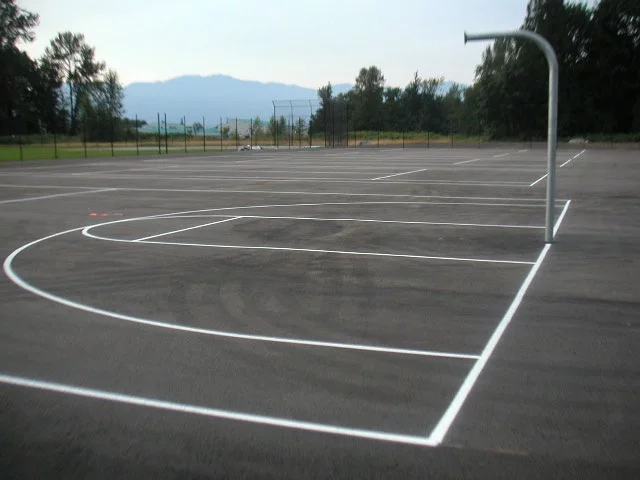
Outdoor and indoor sports courts are made for movement, quick actions, and strong performance, which makes sport court resurfacing essential for maintaining safe and consistent play. But over time, they start to wear out due to weather, regular use, and natural aging of materials. Cracks, fading, and uneven areas can slowly appear, and they are often not noticed at first. As these issues grow, they can affect both safety and the quality of play.
For schools, clubs, and homeowners, maintaining a high-quality playing surface is not just about appearance. It directly impacts player safety and performance. Investing in professional sport court resurfacing ensures that courts remain functional, durable, and safe for regular use.
What Is Sport Court Resurfacing?
Sport court resurfacing is the process of restoring an existing court by repairing damage, applying new coatings, and improving surface texture. This process is commonly used for:
- Tennis court resurfacing
- Basketball court paving
- Multi-sport recreational areas
- Backyard courts
Rather than replacing the entire structure, resurfacing focuses on extending the life of the existing base while enhancing performance characteristics.
Why Safety Depends on Surface Quality
- Reduction of Slip and Fall Risks
A worn-out court often loses its original traction. Smooth or polished areas can become slippery, especially when wet. This increases the risk of slips and falls.
Professional resurfacing restores proper texture, creating slip-resistant courts that provide consistent grip. This is particularly important for:
- School playgrounds with younger users
- Community sports clubs with varying skill levels
- Residential courts used by families
- Elimination of Cracks and Uneven Areas
Surface cracks are more than just cosmetic issues. They can:
- Cause players to trip
- Affect ball bounce consistency
- Lead to further structural damage
Sport surface repair during resurfacing ensures that these imperfections are corrected before they worsen. Smooth, even surfaces significantly reduce injury risks.
- Improved Shock Absorption
Older courts often become hard and unforgiving. This increases strain on joints, especially during high-impact sports like basketball or tennis. Over time, this added stress can lead to discomfort or increase the risk of minor injuries during regular play.
Resurfacing materials can enhance shock absorption, helping to:
- Reduce joint stress
- Improve player comfort
- Support longer play sessions without fatigue
Performance Benefits of Resurfacing
While safety is critical, performance is equally important. A properly resurfaced court enhances gameplay in several ways. It creates a predictable and stable playing surface, allowing athletes to focus on skill and strategy rather than adjusting to surface flaws. Over time, this consistency supports better training outcomes and a more enjoyable playing experience for all users.
Consistent Ball Behavior
In sports like tennis and basketball, surface consistency directly affects play quality. Uneven courts can lead to unpredictable ball movements. This inconsistency can disrupt gameplay and make it difficult for players to maintain accuracy and control.
Resurfacing ensures:
- Uniform bounce
- Better control
- Fair gameplay conditions
Enhanced Player Movement
Players rely on surface grip for quick turns, stops, and acceleration. Poor traction can limit performance and increase hesitation. This can reduce confidence during play and affect overall game flow, especially in fast-paced situations.
Slip-resistant courts created through resurfacing allow players to:
- Move confidently
- Improve agility
- Maintain better control during gameplay
Visual Clarity and Line Markings
Faded lines can make it difficult to follow rules or maintain proper positioning. This can lead to confusion during gameplay and reduce the overall accuracy of movements on the court.
Resurfacing includes repainting lines, ensuring:
- Clear boundaries
- Accurate gameplay
- Professional appearance
Common Signs That a Court Needs Resurfacing
Recognising early warning signs can help prevent costly repairs later. Some key indicators include issues that affect both safety and play quality. Identifying these problems early makes it easier to fix them before they become more serious and expensive to repair.
| Issue | Impact on Safety and Performance |
| Surface cracks | Trip hazards and uneven play |
| Fading colour | Reduced visibility and aesthetics |
| Water pooling | Increased slip risk |
| Worn texture | Loss of traction |
| Uneven bounce | Poor gameplay experience |
If any of these issues are present, resurfacing should be considered promptly.
Types of Courts That Benefit Most
Tennis Courts
Tennis court resurfacing is one of the most common applications. Players depend heavily on consistent bounce and grip. Even minor surface issues can affect match quality. Over time, these small inconsistencies can influence player performance and disrupt the overall flow of the game.
Basketball Courts
Basketball court paving and resurfacing focus on traction and shock absorption. Since the sport involves jumping and quick direction changes, surface quality plays a major role in injury prevention.
Multi-Use Recreational Courts
Many schools and homes use courts for multiple sports. These surfaces must balance durability with versatility. Recreational paving solutions help maintain performance across different activities.
The Resurfacing Process Explained
Understanding the process helps highlight why professional expertise is important. Each step requires precision to ensure the surface performs safely and consistently over time.
Step 1: Inspection and Assessment
Experts evaluate:
- Surface condition
- Structural integrity
- Drainage issues
Step 2: Cleaning and Preparation
The surface is cleaned to remove dirt, debris, and contaminants. Proper preparation ensures strong adhesion of new coatings.
Step 3: Sport Surface Repair
Cracks and damaged areas are repaired using specialised materials. This step is essential for long-term durability.
Step 4: Application of Coatings
New layers are applied to improve:
- Texture
- Color
- Durability
Step 5: Line Marking and Finishing
Court lines are repainted, and the surface is finalized for use.
Why Professional Resurfacing Is Necessary
Technical Expertise
Resurfacing is not a simple repainting job. It requires knowledge of materials, climate conditions, and sport-specific requirements.
Long-Term Durability
Professional work ensures that the surface lasts longer and resists wear more effectively.
Compliance with Safety Standards
For schools and clubs, maintaining safe facilities is a responsibility. Professional resurfacing helps meet safety expectations.
Environmental and Usage Factors
Several external factors influence how quickly a court deteriorates:
- Weather exposure (rain, heat, UV rays)
- Frequency of use
- Type of sport played
- Quality of initial construction
Regular maintenance and timely resurfacing help manage these factors effectively.
For a deeper understanding of material choices and durability, insights shared in sport court resurfacing materials guide explain how different materials perform under various conditions.
How Often Should Courts Be Resurfaced?
The frequency depends on usage and environmental exposure, but general guidelines include:
- Residential courts: every 4 to 6 years
- School and club courts: every 3 to 5 years
- High-use facilities: every 2 to 3 years
Regular inspections can help determine the right timing.
Cost vs Long-Term Value
Resurfacing is often more cost-effective than full replacement. It allows existing structures to be restored without the expense and disruption of rebuilding the entire court.
Benefits include:
- Extended lifespan of the court
- Reduced repair costs over time
- Improved user satisfaction
- Enhanced property value
Ignoring surface damage can lead to structural issues that require more expensive solutions later.
Safety Considerations for Different Users
Schools
Children are more prone to slips and falls. Safe surfaces reduce injury risks and create a better environment for physical activity.
Sports Clubs
Clubs need consistent surfaces to maintain training quality and host events. Poor conditions can affect both performance and reputation.
Homeowners
Backyard courts are often used by families. Ensuring safety allows for worry-free recreation.
Maintenance Tips After Resurfacing
To maximize the benefits of resurfacing:
- Clean the court regularly
- Remove debris and standing water
- Avoid heavy equipment on the surface
- Inspect for early signs of wear
Proper maintenance can significantly extend the life of the resurfaced court.
When to Seek Professional Help
If you notice recurring issues such as cracks, fading, or reduced traction, it is advisable to consult professionals. Early intervention prevents minor issues from becoming major problems.
Those planning upgrades or repairs can explore options and timelines through request a quote to better understand the scope of resurfacing work.
Conclusion
Sport court resurfacing plays a critical role in maintaining safe and high-performing play environments. From improving traction and eliminating hazards to enhancing gameplay quality, resurfacing addresses both functional and safety concerns effectively.
Whether for schools, clubs, or residential spaces, investing in timely resurfacing ensures that courts remain reliable and enjoyable for years. Understanding the importance of maintenance and choosing experienced professionals helps achieve consistent results.
For those seeking broader information about paving and surface solutions, Bortolo & Sons Paving provides detailed insights into construction, resurfacing, and long-term care of sport courts.
FAQs
- What is the main purpose of sport court resurfacing?
The primary purpose is to restore safety, improve performance, and extend the life of the court by repairing damage and applying new surface coatings.
- How do I know if my court needs resurfacing?
Common signs include cracks, fading, water pooling, and reduced traction. Uneven ball bounce is also an indicator.
- Is resurfacing better than replacing a court?
In most cases, resurfacing is more cost-effective and less disruptive, provided the base structure is still in good condition.
- Can resurfacing improve slip resistance?
Yes, resurfacing can create slip-resistant courts by restoring proper surface texture and grip.
- How long does resurfacing take?
The timeline depends on the court’s size and condition, but most projects are completed within a few days under suitable weather conditions.