

Environmental pressures in British Columbia
British Columbia’s diverse landscapes and ecosystems are under increasing pressure due to urban development, transportation expansion, and climate change. With growing environmental concerns, the province has made sustainability a central goal in infrastructure development. Minimizing the carbon footprint of construction projects is no longer optional—it’s a necessity.
Government mandates and green certifications (LEED, ENVISION)
BC’s environmental policies promote eco-conscious construction through mandates and incentives. Municipalities and developers are turning to solutions that meet or exceed LEED (Leadership in Energy and Environmental Design) and ENVISION certification standards. Pavement Contractors’ recycling plays a vital role in helping pavement contractors meet these benchmarks while reducing material consumption and waste.
Growing demand for eco-conscious infrastructure
Contractors, municipalities, and eco-aware clients are increasingly focused on green solutions that deliver both cost-efficiency and environmental responsibility. Pavement recycling is becoming a preferred approach in BC for projects requiring both performance and sustainability.
What is Pavement Recycling? An Overview
Definition of pavement recycling
Pavement recycling is the process of reusing and rejuvenating existing asphalt and base materials during road or parking lot resurfacing. Instead of removing and replacing layers of asphalt, contractors reuse the existing materials—preserving resources and reducing environmental impact.
Hot-in-place vs. cold-in-place recycling
- Hot-in-place recycling (HIR): Involves heating the existing pavement, remixing it with fresh asphalt, and repaving it on-site.
- Cold-in-place recycling (CIR): Uses milling equipment to pulverize pavement at ambient temperatures, remixing it with additives before repaving.
Each method suits different project scopes, budgets, and timelines.
Full-depth reclamation explained
Full-depth reclamation (FDR) goes further by recycling the entire pavement structure—surface and base layers—using pulverization. It’s ideal for severely deteriorated roads, reducing the need for new base materials while enhancing structural integrity.
Environmental Benefits of Pavement Recycling
Reduction in carbon emissions
By minimizing the need for hauling new materials and disposing of old ones, pavement recycling significantly lowers carbon emissions. This supports BC’s broader climate goals, especially in urban areas where heavy construction traffic contributes to poor air quality.
Less landfill waste and reduced material consumption
Recycling pavement eliminates the need to send old asphalt to landfills, easing pressure on waste management systems. It also conserves natural resources like aggregates and bitumen, both of which are energy-intensive to produce and transport.
Energy savings in transport and production
Traditional paving requires significant energy to produce new materials and transport them to the site. Recycling, especially in-place techniques, drastically cuts fuel consumption, making projects more energy-efficient.
Supports circular economy principles
Pavement recycling aligns with circular economy values by extending the lifecycle of construction materials. It encourages local material reuse, reducing dependency on virgin resources and minimizing environmental degradation.
Economic & Project Efficiency Advantages
Cost comparisons: traditional paving vs. recycled methods
Pavement recycling offers notable savings compared to traditional removal and repaving. Contractors save on material costs, transportation, and disposal fees—benefits passed on to municipalities and private developers.
Faster project turnaround times
Because materials are processed on-site, pavement recycling typically shortens project timelines. This means less disruption to local communities, quicker access to rehabilitated roads, and reduced labor costs.
Reduced dependence on virgin materials
Pavement contractors in BC are facing rising costs and limited access to virgin aggregates and asphalt. Recycling mitigates supply chain vulnerabilities, offering more predictable budgeting and scheduling.
Savings for municipalities and developers
Municipal planners increasingly rely on pavement recycling to meet budget constraints without compromising quality. Developers benefit from reduced site preparation costs, especially in large commercial or industrial paving projects.
Use Cases: Pavement Recycling in BC Construction Projects
Municipal road renewal programs
Cities like Vancouver, Surrey, and Kelowna are incorporating cold-in-place recycling into municipal road rehabilitation plans. These methods reduce project timelines and align with green infrastructure policies.
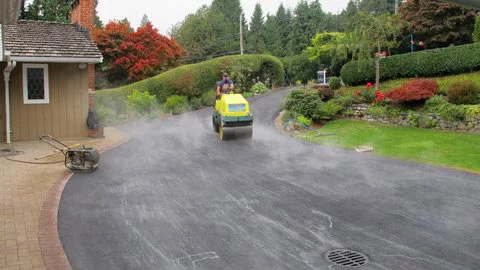
Industrial Park redevelopment
Pavement recycling is ideal for industrial sites where underlying structures need reinforcement. Full-depth reclamation can rebuild roadways capable of withstanding heavy truck traffic.
Commercial parking lot overhauls
Business owners looking to upgrade or expand parking lots appreciate the cost-effectiveness of recycled paving. It minimizes downtime and is more appealing to clients focused on corporate sustainability.
Highway rehabilitation examples
Provincial highways undergoing resurfacing benefit from hot-in-place recycling. These techniques maintain the road’s performance while minimizing taxpayer expenses and environmental harm.
Technology Behind Pavement Recycling
Milling and pulverization techniques
Pavement contractors use advanced milling and pulverization machinery to break down existing surfaces. These machines process materials on-site, preparing them for immediate reuse.
In-place recycling equipment and trucks
BC’s leading pavement contractors invest in specialized trucks and in-place recycling trains. These integrated systems heat, mill, remix, and repave in a single operation—streamlining execution.
Quality control and performance testing
Sophisticated testing tools ensure that recycled pavements meet or exceed performance standards. Contractors conduct lab and field tests to verify density, stability, and durability.
Integration with modern paving solutions
Recycled pavements are compatible with polymer-modified asphalt, reflective coatings, and other modern paving technologies—making them suitable for high-traffic applications.
Certification and Compliance Considerations
LEED & ENVISION eligibility
Using recycled materials contributes points toward LEED and ENVISION certification goals. Municipal and private clients alike can showcase their environmental commitment with certified paving projects.
Municipal procurement policies in BC
Many BC municipalities now include sustainability requirements in RFPs (Requests for Proposals). Pavement recycling helps contractors qualify for more bids and secure long-term contracts.
Environmental assessment and documentation best practices
Projects that use recycled paving benefit from simplified environmental reporting. Documentation showing recycled content, emissions reductions, and energy savings enhances project transparency and regulatory compliance.
Common Misconceptions About Pavement Recycling
Is it lower quality?
Modern recycling methods produce results on par with—or better than—traditional paving. Quality depends more on contractor expertise and equipment than the use of recycled materials.
Will it last as long?
Properly executed recycled pavements are just as durable as new ones. In fact, many recycling projects in BC have exceeded the expected service life.
Is it only for roads?
Not at all. Pavement recycling is suitable for parking lots, industrial yards, walkways, and even airport tarmacs—wherever asphalt is used.
How Bortolo Paving Leads in Eco-Friendly Solutions
Commitment to sustainability
Bortolo Paving is a leader among pavement contractors in British Columbia, combining industry expertise with an unwavering commitment to eco-conscious construction practices.
In-house recycling expertise and fleet
Our team operates a full suite of modern recycling equipment, from milling machines to hot-in-place recyclers—ensuring high-quality results on every project.
Case study: Bortolo’s commercial recycling project
In a recent large-scale commercial parking lot overhaul in the Fraser Valley, Bortolo reduced material usage by 40%, saved clients 25% in costs, and completed the project 30% faster than using conventional paving techniques.
Why BC clients trust Bortolo
From municipal partners to private developers, Bortolo is known for delivering durable, green, and cost-effective paving solutions. We’re proud to lead the way in sustainable infrastructure across BC.
Final Thoughts: Why Pavement Recycling is the Future of Construction in BC
Summary of long-term benefits
Pavement recycling reduces costs, supports environmental goals, speeds up construction timelines, and improves public perception. As sustainability continues to shape BC’s future, this practice is no longer a niche—it’s the new standard.
Call to action: Contact Bortolo for sustainable paving
Looking for trusted pavement contractors in BC who specialize in green construction practices? Contact Bortolo Paving & Concrete today to learn how we can help your next project meet sustainability goals—without compromising performance or budget.
Frequently Asked Questions (FAQ)
Q: How long does recycled pavement last compared to new pavement?
A: When done properly, recycled pavement has a comparable lifespan to traditional asphalt—often 15–20 years or more depending on use and maintenance.
Q: Is pavement recycling suitable for residential driveways?
A: Yes! Smaller-scale recycling methods can be applied to residential projects, though they’re more commonly used in commercial and municipal applications.
Q: Does using recycled pavement affect project eligibility for green certifications?
A: It actually helps! Using recycled materials can earn points toward certifications like LEED and ENVISION, supporting your project’s sustainability goals.
Q: Is there a cost advantage to choosing pavement recycling?
A: Definitely. Savings on materials, transport, and project duration typically reduce total costs by 10–30%, depending on project size.
Q: Are there government grants or incentives for pavement recycling in BC?
A: Some municipalities and provincial programs offer sustainability incentives or preferences for eco-friendly construction methods. It’s worth checking local RFPs and green infrastructure grants.