
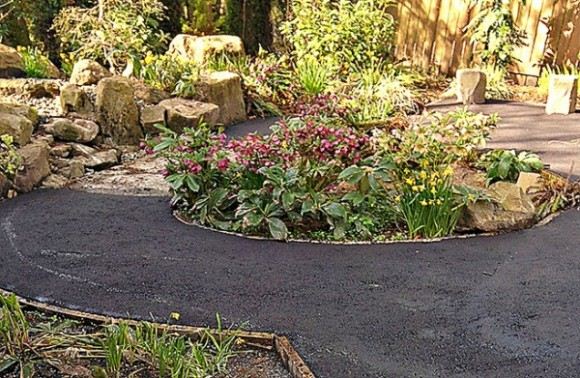
A backyard’s potential often gets limited by what’s underfoot. Uneven ground, a muddy side yard, a sloped lot that’s never been usable these are exactly the kinds of problems hard landscaping is designed to solve. Unlike softscaping (plants, lawns, and gardens), hard landscaping refers to the structural, built elements of outdoor space: patios, retaining walls, pathways, and other hardscape features that create usable, durable outdoor living areas.
If you’ve been thinking about transforming your backyard but aren’t sure where to start, here are some practical hard landscaping ideas well-suited to BC’s climate and Lower Mainland homes.
Why Hard Landscaping Matters More in Our Climate
BC’s consistent rainfall and varied terrain make hard landscaping more than just an aesthetic choice it’s often a practical necessity. Proper drainage, erosion control on sloped lots, and durable surfaces that can handle year-round moisture all depend on well-executed hardscaping. A beautifully planted garden on poor drainage or an unstable slope won’t last long without the structural foundation that hard landscaping provides underneath it.
Patios: Creating Usable Outdoor Living Space
A well-designed patio is often the anchor of a functional backyard, giving you a durable, level space for outdoor furniture, dining, and entertaining regardless of what the surrounding lawn or garden looks like. Concrete patios offer excellent durability and design flexibility, with options ranging from simple broom-finished surfaces to stamped or exposed aggregate finishes that mimic natural stone at a lower cost. For homes with more casual, informal outdoor space needs, a simpler paved surface can achieve a similarly functional result at a more modest investment.
When planning a patio, proper drainage away from your home’s foundation is essential, particularly given how much rain the region receives throughout the year. A patio installed without this consideration can direct water toward your foundation rather than away from it, creating problems that outweigh whatever aesthetic benefit the patio provides. Our concrete work always accounts for proper grading and drainage as a foundational part of the installation, not an afterthought.
Retaining Walls: Solving Sloped and Uneven Lots
Many Lower Mainland properties deal with sloped or uneven terrain that limits how much of the yard is actually usable. A retaining wall contractor in Burnaby can transform that wasted, sloped space into functional, level areas whether that’s a raised garden bed, a level patio area, or simply preventing soil erosion on a hillside that’s been an ongoing maintenance headache. Our team has handled retaining wall projects across a wide range of lot conditions throughout the Lower Mainland.
Beyond the practical function, retaining walls also add visual structure and dimension to a backyard, creating natural tiers and defined areas rather than one continuous slope. Materials range from natural stone to poured concrete to modular block systems, each offering different aesthetic and budget considerations depending on your specific property and design goals.
Pathways: Connecting Your Outdoor Spaces
Pathway paving ideas are often an overlooked but genuinely valuable addition to a backyard, connecting different outdoor areas a patio, a garden, a side gate, a detached garage with a durable, all-weather surface rather than a muddy trail worn into the lawn. A well-designed pathway also guides how people naturally move through the space, subtly shaping how the whole yard is used and experienced.
Material choice for pathways depends on the overall aesthetic you’re going for: poured concrete offers a clean, modern look and long-term durability, while paver-based pathways can create a more textured, traditional appearance. Either option, properly installed, holds up well to BC’s year-round moisture far better than gravel or unpaved surfaces that tend to shift and erode over time a pattern our customers frequently mention in their testimonials.
Combining Elements for a Cohesive Backyard Design
The most successful backyard transformations rarely involve just one hardscape element in isolation. A patio connected by a pathway to a retaining-wall-defined garden area creates a cohesive, intentional outdoor space rather than a collection of disconnected features. Thinking through how these elements work together not just individually tends to produce a far more usable and visually cohesive result. This is where working with an experienced patio installation team in the Lower Mainland pays off, since coordinating drainage, grading, and material transitions across multiple hardscape elements requires planning the whole project together rather than tackling each piece separately.
Planning Your Hard Landscaping Project
A few practical steps help set a hard landscaping project up for success. Start by identifying the specific problems you’re trying to solve a muddy, unusable side yard, a lack of level outdoor entertaining space, an eroding slope rather than starting purely from an aesthetic wish list. From there, consider how the elements will connect to each other and to your home’s existing structure, since disconnected, piecemeal additions rarely create the cohesive result most homeowners are hoping for. Finally, factor in drainage and site preparation from the very beginning, since these unglamorous foundational elements are what determine whether your investment holds up over the long run in our climate.
Why Work With an Experienced Local Team
Hard landscaping projects require a different kind of expertise than a straightforward driveway installation proper grading, structural considerations for retaining walls, and design coordination across multiple elements all matter significantly to the final result. Our team brings more than 50 years of family-owned experience in paving and concrete work to every hard landscaping project, ensuring the structural fundamentals are handled correctly before any aesthetic finishing begins. You can browse examples of past patio, wall, and pathway projects in our project gallery.
What Our Clients Say About the Process
Homeowners who’ve worked with us on hard landscaping projects consistently mention the same things: clear communication throughout the process, attention to the structural details that aren’t always visible in the finished result, and a final product that holds up well to BC’s climate year after year.
Getting Started on Your Backyard Transformation
Whether you’re dealing with a sloped, unusable lot or simply want a proper outdoor living space to enjoy for years to come, hard landscaping can meaningfully change how much of your property you actually get to use. The right combination of patios, retaining walls, and pathways depends entirely on your specific lot and goals, which is why an in-person assessment tends to produce far better results than trying to plan everything from a general idea alone.
Frequently Asked Questions
How long does a typical hard landscaping project take? Timelines vary significantly based on scope, but a single-element project like a patio or pathway often takes days to a couple of weeks, while more complex projects involving retaining walls and multiple connected elements can take longer.
Do retaining walls require a permit in the Lower Mainland? Permit requirements vary by municipality and wall height, so it’s worth checking local requirements or working with a contractor familiar with the specific regulations in your area.
Can hard landscaping help with drainage problems in my yard? Yes. Properly designed patios, pathways, and retaining walls can significantly improve how water moves through and away from your property, addressing drainage issues that softscaping alone often can’t solve.
What’s the difference between hard landscaping and regular landscaping? Hard landscaping refers to structural, built elements like patios, walls, and pathways, while regular (soft) landscaping refers to plants, lawns, and gardens. Most successful backyard designs incorporate both working together.
Is concrete or paver material better for a backyard patio? Both have advantages: concrete offers durability and design flexibility at a generally lower cost, while pavers offer a more textured, traditional look. The right choice depends on your aesthetic preferences and budget.
Ready to transform your backyard into usable outdoor living space? Request a free estimate and let’s talk through what’s possible for your property.