
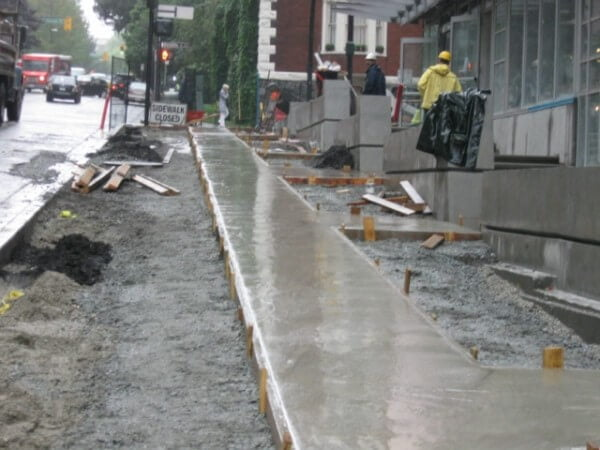
Bad paving coordination is expensive. Rework, schedule overruns, and unclear scope are among the most common causes of budget creep in construction projects. In fact, rework alone can consume ~5% of total project cost on average (Construction Industry Institute, 2023), and fragmented handoffs between trades are a frequent trigger. That’s why full-service paving contractors teams that handle planning, excavation, base, drainage, paving, striping, repairs, and closeout matter more in 2026 than ever.
In this guide, you’ll learn how full-service Paving contractors reduce risk, speed timelines, and improve quality across concrete paving, commercial paving, driveway services, and asphalt repair. We’ll break down what “full-service” should include, the project management practices that separate pros from problems, 2026 trends shaping paving decisions, and a practical checklist you can use before signing a contract.
What “full-service” paving contractors actually do (and why it matters)
“Full-service” should mean more than simply owning a paver and a roller. The best paving contractors integrate the entire lifecycle: assessment, design input, permitting support (where applicable), construction, and long-term maintenance planning. This is increasingly important as owners expect fewer vendors and more accountability especially for multi-site portfolios and time-sensitive commercial properties.
Typical scope for full-service driveway services and commercial paving
Why owners benefit from one accountable team
When excavation, base, paving, and striping are split across multiple vendors, small misalignments compound. Elevations don’t match, drainage isn’t coordinated, and warranty responsibility gets blurry. A full-service contractor simplifies decision-making and reduces disputes because one team owns the outcome. Hiring a professional concrete contractor for your driveway also helps ensure every stage of the project works together properly from start to finish.
That matters because project execution gaps show up in measurable outcomes. Organizations with strong project management waste 28x less money due to poor performance than those with weak practices (PMI, 2023). Full-service paving contractors that run disciplined project management bring that “waste reduction” mindset to the field.
How full-service paving reduces risk, cost overruns, and downtime
Residential and commercial paving failures usually trace back to a few root causes: inadequate base, poor drainage, rushed compaction, and weak coordination. Full-service paving contractors address these upfront with consistent standards and a single schedule.
Downtime reduction for commercial properties
For retail centers, warehouses, medical offices, and HOAs, downtime is a revenue and safety problem. Full-service commercial paving teams can phase work (night paving, weekend closures, entrance-by-entrance sequencing) and coordinate striping and signage so lots reopen faster.
Why urgency is rising in 2026: weather volatility is tightening paving windows in many regions, and owners are pushing for compressed schedules. In parallel, construction input costs remain sensitive; for example, highway and street construction costs increased 6.8% year-over-year(U.S. Bureau of Labor Statistics PPI, 2024). Better coordination is one of the most controllable levers owners have to protect budgets.
Project management: the hidden advantage of full-service paving contractors
Most paving problems aren’t caused by the paver, they’re caused by planning gaps. Strong project management is what turns paving into a predictable process: clear scope, documented assumptions, controlled change orders, and proactive communication. Investing in high-quality commercial concrete work also helps reduce costly delays and performance issues over the long term.
Best-practice workflow (what you should expect in 2026)
These tools aren’t just “nice to have.” Better information flow reduces rework and speeds approvals. That aligns with broader performance data: digital transformation initiatives can improve productivity by 20–30% in construction contexts when implemented effectively.
Concrete paving vs. asphalt: choosing the right system for your use case
In 2026, the “asphalt vs. concrete” decision is less about preference and more about lifecycle performance, downtime tolerance, and load demands. Full-service paving contractors help owners compare options using traffic loading, drainage, climate exposure, and maintenance capacity.
| Decision factor | Asphalt paving (common choice) | Concrete paving (common choice) |
|---|---|---|
| Install speed & reopening | Often faster reopening; good for phased commercial paving | Longer cure times; may require more downtime planning |
| Upfront cost (typical) | Usually lower initial cost for many driveway services and lots | Often higher initial cost; can be competitive for heavy-duty areas |
| Heavy loads (dump trucks, docks) | Can perform well with proper thickness/base; more sensitive to rutting if underbuilt | Excellent for high point-loads; joints and subbase design are critical |
| Maintenance approach | Crack sealing, sealcoating, patching, periodic overlays | Joint sealing, panel repairs, slab stabilization where needed |
| Cold/heat performance | Thermal cycling can drive cracking; maintenance timing matters | Freeze-thaw and deicing salts require mix/spec attention |
2026 trends affecting paving contractors and project outcomes
Several 2026 realities are changing how smart owners plan paving: sustainability requirements, stronger documentation expectations, and higher sensitivity to disruption. Full-service paving contractors are adapting with better materials, smarter phasing, and tighter QA.
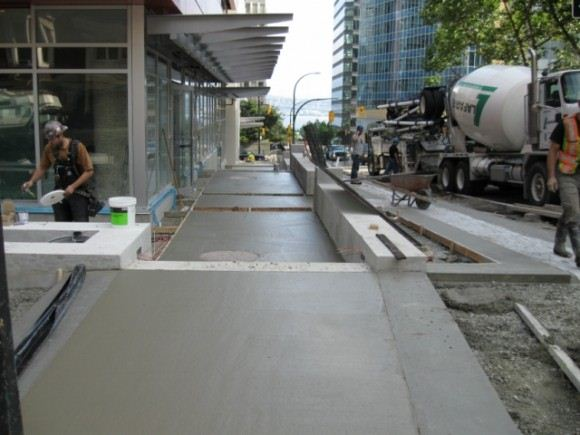
Trend 1: Low-carbon materials and procurement pressure
Owners especially municipalities and large commercial portfolios are asking for emissions reporting and lower-carbon mixes. One reason: asphalt has a well-established recycling pathway. In the U.S., over 94% of reclaimed asphalt pavement (RAP) is reused, making asphalt one of the most recycled materials by tonnage (National Asphalt Pavement Association, 2023). Full-service contractors can incorporate RAP responsibly and document mix designs and performance expectations.
Trend 2: More stringent risk management and safety expectations
Safety performance is increasingly treated as a contractor selection filter. Construction remains hazardous; construction accounted for 1,075 worker fatalities in the U.S.(BLS Census of Fatal Occupational Injuries, 2023). In 2026, commercial clients often require traffic-control plans, proof of training, and tighter site logistics especially for occupied facilities.
Common mistakes to avoid (and pro tips that save money)
Most paving disappointments are preventable. The key is catching scope gaps before mobilization and insisting on measurable standards (not vague promises). Here are the most common pitfalls we see across driveway services, asphalt repair, and commercial paving.
A practical selection checklist for hiring paving contractors
If you want a simplified project, select a contractor who can prove they run repeatable processes not just equipment. Use this checklist to evaluate full-service capability for both residential and commercial projects.
Conclusion: why full-service simplifies paving in 2026
In 2026, the best paving outcomes come from contractors who combine field capability with disciplined project management. Full-service paving contractors simplify both residential and commercial projects by reducing handoffs, clarifying accountability, and preventing the most common causes of premature failure.
Next step: If you’re planning driveway services, commercial paving, or asphalt repair, ask for a scope map, a phasing plan, and alternates that show the cost/benefit of repair vs. replacement. For property owners and facility managers, partnering with a full-service team like Bortolo Paving can turn paving from a disruption into a controlled, well-documented project built to last.
Frequently asked questions
What does a full-service paving contractor include?
A full-service paving contractor typically covers evaluation, excavation, base preparation, drainage work, paving (asphalt or concrete), striping, and closeout documentation. Many also provide ongoing asphalt repair and maintenance planning so the surface lasts longer and costs stay predictable.
How do paving contractors reduce project delays?
They reduce delays by controlling dependencies base prep, drainage, paving, and striping are coordinated under one schedule. Strong project management also helps by setting reopening milestones, phasing plans, and daily reporting so issues are addressed before they stall the job.
Is asphalt or concrete paving better for commercial paving?
It depends on traffic loads, turning movements, downtime tolerance, and lifecycle goals. Asphalt is often chosen for faster reopening and cost-effective coverage, while concrete paving is common for heavy-load zones like loading docks, dumpster pads, and truck lanes.
When should I choose asphalt repair versus a full replacement?
If distress is localized (potholes, small failed areas, cracks), targeted asphalt repair can be cost-effective. If you have widespread base failure, drainage issues, or extensive alligator cracking, replacement or reconstruction is usually the better long-term decision.
How long do driveway services typically take?
Simple residential driveway services can often be completed in 1–2 days, but timelines vary by excavation needs, base condition, and weather. Ask your contractor for a phased plan that includes compaction, paving, and realistic reopening guidance.
Can commercial paving be done without shutting down my business?
Often, yes through phased paving, night work, or weekend scheduling. A full-service contractor should provide a traffic and access plan that keeps key entrances, deliveries, and pedestrian/ADA routes functioning as much as possible.
Should I sealcoat a new asphalt surface right away?
Usually not immediately; new asphalt needs time to cure and release oils. Your paving contractor should recommend a sealcoating window based on local climate and asphalt mix, along with a crack-sealing plan to prevent water intrusion.
What should be in a paving quote to avoid surprise costs?
A solid quote includes itemized scope (demolition, base work, tonnage/yardage, thickness, drainage), exclusions, and unit prices for likely discoveries (e.g., undercut). It should also state traffic control responsibilities, schedule assumptions, and warranty terms.
How do I compare bids from different paving contractors fairly?
Normalize bids by comparing thickness, base scope, drainage corrections, and what’s included in mobilization and striping. If one bid is much lower, check for missing scope items that commonly become change orders later.
What’s the most important factor for pavement longevity in 2026?
Drainage and base quality remain the biggest determinants of long-term performance. Even the best surface mix will fail early if water is trapped in the structure or the base isn’t properly compacted and designed for the load.