
Driveway installation decisions are getting more expensive and more permanent than most homeowners realize. Home services costs have remained elevated post-pandemic, and materials + labor volatility still shows up in paving bids. At the same time, weather extremes are accelerating pavement wear: the U.S. recorded 28 separate billion‑dollar weather and climate disasters in 2023, and those impacts continue to influence design choices in 2026 (drainage, base depth, and material selection). A driveway isn’t just curb appeal; it’s load-bearing infrastructure that must manage water, freeze-thaw cycles, and vehicle weights.
This guide breaks down the most important factors to plan a high-performing residential paving project: choosing asphalt vs. a concrete driveway, getting drainage and base prep right, budgeting and timelines, selecting the right driveway installation contractor, avoiding common mistakes, and understanding 2026 trends like permeable systems and low-carbon concrete.
Start with goals, site conditions, and use-case (not materials)
The best driveway plan starts with how the driveway will be used and what the site will demand not what looks best on a neighbor’s house. In 2026, more households have heavier vehicles (EVs and large SUVs), more deliveries, and more short-turn parking on the apron, which increases rutting and edge stress if the structure is underbuilt.
Load and traffic patterns
Map where wheels actually travel and where vehicles turn or stop. High-stress areas include the apron (street connection), the garage entry, turnarounds, and any tight-radius curves. If you routinely park a heavy pickup, tow a trailer, or own an EV (often heavier than comparable gas models), tell your driveway contractor so base thickness and reinforcement can be designed accordingly.
Soils, slope, and freeze-thaw risk
Soil type (clay vs. granular), groundwater, and slope drive long-term performance. Expansive clays and poor drainage increase frost heave risk and pumping (water forced up through joints/cracks). A simple but practical step: after a heavy rain, note where water sits for more than 2–4 hours those are your failure zones unless drainage and base are upgraded.
Code, permits, and right-of-way constraints
Many municipalities regulate driveway width, curb cuts, sidewalk crossings, and apron slopes for accessibility and stormwater compliance. In some areas, your driveway contractor must coordinate permits and inspections clarify who owns that responsibility before signing a contract.
Choose the right material: asphalt driveway vs. concrete driveway (and hybrids)
Asphalt and concrete can both be excellent if designed and installed correctly. The “right” choice depends on climate, maintenance preferences, aesthetics, and budget. Labor availability in 2026 also affects scheduling; you may find longer lead times for decorative concrete or specialty permeable systems.
| Factor | Asphalt driveway | Concrete driveway |
|---|---|---|
| Upfront cost (typical) | Often lower initial cost; varies by region and oil-linked inputs | Often higher initial cost; can increase with reinforcement/finishes |
| Cold climate performance | Flexible; can handle freeze-thaw well with proper base | Strong but crack-sensitive; joints + subbase + air entrainment critical |
| Maintenance profile | Periodic sealcoating and crack filling typically recommended | Joint care, occasional sealing (especially decorative), stain management |
| Repairability | Patch/overlay options; easier spot repairs but may show seams | Repairs can be durable but color match is harder; panels may need replacement |
| Appearance | Clean, dark finish; can fade/oxidize over time | Light, customizable; supports stamping, exposed aggregate, borders |
When asphalt is the smart pick
An asphalt driveway is often ideal for long runs, rural driveways, and projects where you want faster installation and easier future repave driveway options (overlay/rehabilitation). It’s also forgiving in freeze-thaw regions when the base and drainage are correct.
When concrete wins
A concrete driveway is a great fit for homeowners who prioritize lighter color, design finishes, and long-term rigidity. In hot climates, concrete can resist softening better than asphalt. However, success depends heavily on proper joint layout, curing, and subbase, most “concrete failures” are often drainage or base failures in disguise. Working with a professional concrete contractor for your driveway helps ensure the installation is built correctly from the ground up.
Hybrid designs
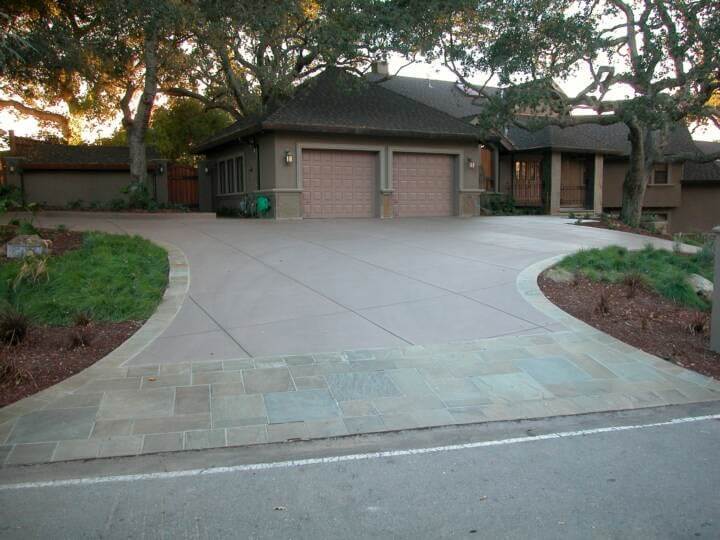
Many 2026 projects use hybrids for performance and aesthetics: concrete aprons (high turning stress) with asphalt runs, or paver/concrete borders to protect edges. Hybrids can also help phase budgets over time.
Base preparation and drainage: the true foundations of longevity
If you only remember one thing: most premature driveway failures come from poor base prep and water management, not the surface material. Water is the enemy because it weakens subgrade, amplifies freeze-thaw damage, and accelerates cracking and settlement.
Base depth, compaction, and proof-rolling
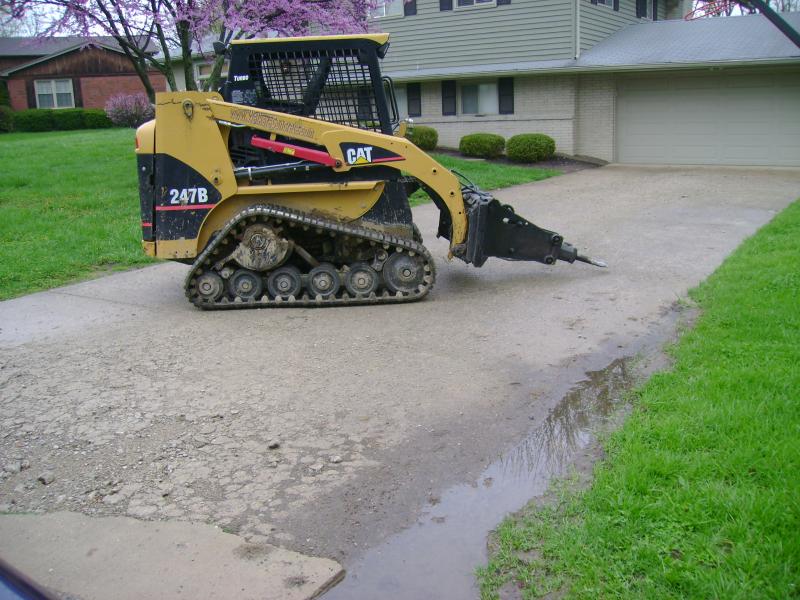
Residential paving best practice is to excavate to stable subgrade, add well-graded aggregate base, and compact in lifts with the right equipment not just “roll it once.” Ask your driveway contractor how they verify compaction (e.g., lift thickness, roller type, and whether they perform proof-rolling to find soft spots). Soft zones should be undercut and replaced before paving.
Drainage grading and water exit paths
Design for water to move off the driveway quickly and away from the base. That means consistent slope (often ~1–2% where feasible), correct transitions at garage slabs, and controls like swales, channel drains, or trench drains when needed. If you’ve ever seen water ponding at the garage threshold, that’s a sign your current grading is a risk.
Edge support and widening
Edges fail first when vehicles drop off onto soil. Consider thicker edges, a paver border, or slight widening in tight turn areas. This is especially relevant for delivery traffic and multi-vehicle households in 2026.
Budgeting, timelines, and ROI: what homeowners should expect in 2026
Planning realistically avoids change orders and frustration. Pricing varies widely by region, access, demolition needs, and drainage complexity. Still, you can sanity-check estimates using scope-based benchmarks.
Cost drivers that change bids by thousands
Exterior upgrades remain among the most visible value signals for buyers. Remodeling’s 2024 Cost vs. Value Report found that an asphalt shingle roof replacement recouped ~56.9% nationally (Zonda/Remodeling, 2024), illustrating a broader market reality: ROI varies, but highly visible, functional upgrades support perceived value. While driveway-specific ROI is location-dependent, agents consistently cite curb appeal and low “immediate maintenance” as buyer confidence builders.
For a data-backed curb appeal proxy, the National Association of REALTORS® reported that consumers continue to prioritize home condition and exterior presentation, and the industry has emphasized exterior improvements in recent years (NAR, 2024). Use this as directional guidance: a driveway that looks new, drains well, and has clean edges tends to reduce buyer objections.
Scheduling and cure times
Don’t plan a driveway installation the week you host an event. Asphalt can often be walked on quickly, but needs time before heavy point loads (like kickstands) and tight turns. Concrete requires proper curing to reach design strength; early loading increases cracking risk. Your driveway contractor should give you a written “use timeline” for foot traffic, passenger cars, and heavy vehicles.
How to choose a driveway contractor: vetting, bids, and contracts
In 2026, the biggest homeowner risk isn’t just overpaying it’s paying for an underbuilt driveway with no enforceable scope. A professional driveway contractor should be comfortable documenting design assumptions and workmanship standards.
Bid comparisons that actually matter
Compare proposals line by line, not by total price. Two bids can differ because one includes excavation and base rebuild while the other only tops the surface. Ask for exact quantities, thicknesses, and specs.
Proof and professionalism
Request local references from the last 12–24 months, photos of similar projects, and proof of insurance. If your area has licensing requirements for residential paving, verify status. Also ask who will be onsite supervising crew quality varies widely.
2026 driveway trends and recent changes affecting residential paving
Driveways are evolving because municipalities and homeowners are demanding better stormwater outcomes, lower carbon materials, and designs that handle heavier vehicles and heat events.
Permeable and stormwater-smart driveways
Permeable pavers and permeable asphalt/concrete systems continue to grow where stormwater fees and runoff rules are tightening. The EPA has long documented that green infrastructure reduces runoff and improves water quality; local adoption has accelerated as cities pursue combined sewer overflow reduction and resilience goals (U.S. EPA, updated guidance ongoing through 2020s). In 2026, ask your contractor whether a permeable section, even just the parking pad, could reduce ponding and ice risk. Regular surface maintenance and driveway seal coating can also help extend pavement life and improve drainage performance.
Low-carbon concrete and SCM optimization
Concrete suppliers increasingly use supplementary cementitious materials (SCMs) to reduce embodied carbon. The U.S. DOE and industry groups have pushed low-carbon cement/concrete initiatives, and many ready-mix producers now offer “reduced CO₂” mixes depending on region and availability (DOE industrial decarbonization programs, 2023–2025 updates). Practical implication: you may be offered alternative mixes that require different curing expectations confirm performance specs (strength, air content, finishability) and timeline.
Heat, UV, and binder performance
Hotter summers can accelerate asphalt oxidation and softening risks if the mix isn’t suited to local conditions. Many regions specify performance-graded binders (PG grades) to match climate; ensure your asphalt driveway is built to local specs rather than a generic mix.
Common mistakes to avoid (and pro tips that save money)
Most driveway regret is preventable. Use these checks to protect your budget and long-term performance.
Conclusion: plan it like infrastructure, not just a surface
A driveway is one of the few home upgrades that must look good and perform under real structural stress. In 2026, heavier vehicles, more extreme weather, and tighter stormwater expectations make planning details more important than ever.
If you’re planning a driveway installation and want a scope that’s built to last, contact Bortolo Paving for a site-informed assessment and a written plan that covers drainage, base, and material options so your driveway performs for years, not just the first season.
Frequently asked questions
What is the best time of year for driveway installation?
Most regions prefer warmer, drier months because compaction and curing are more predictable. Asphalt installation typically needs temperatures that support proper compaction, while concrete needs conditions that support controlled curing. Your driveway contractor should adjust methods for shoulder seasons (blankets, admixtures, or schedule changes).
How do I choose between an asphalt driveway and a concrete driveway?
Choose based on climate, maintenance preference, aesthetics, and budget. Asphalt is often faster to install and easier to repave driveway surfaces later, while concrete offers design flexibility and a lighter appearance. In both cases, base prep and drainage are the deciding factors for lifespan.
How long does a new driveway take from start to finish?
Simple residential paving projects can take a few days, but schedules expand with demolition, excavation, base rebuilding, and drainage work. Concrete also needs curing time before full use. Ask for a written timeline including “no-park” windows.
Can I repave driveway surfaces instead of replacing the base?
Sometimes, yes if the base is stable and drainage is sound. If you have widespread settlement, pumping, or chronic ponding, an overlay may fail quickly and cost more long term. A reputable driveway contractor will recommend spot undercutting or full base reconstruction when needed.
What thickness should my driveway be?
Thickness depends on soil conditions, climate, and vehicle loads. Rather than relying on a single rule of thumb, request a scope that specifies base depth and surface thickness by zone (e.g., turning areas vs. straight runs). If heavy vehicles are common, thicker sections are often warranted.
Do I need permits for a new driveway?
Often, yes especially for new curb cuts, apron work, sidewalk crossings, drainage tie-ins, or expanded width. Permit requirements vary by municipality and HOA rules. Confirm who handles permitting before work begins.
How should I maintain an asphalt driveway after installation?
Keep it clean, manage water flow, and address cracks early to prevent water intrusion. Many contractors recommend sealcoating on a schedule appropriate to climate and wear, but avoid sealing too soon after installation unless advised by the installer. Prevent concentrated loads (e.g., trailer jacks) from sitting in one spot for long periods.
How do I prevent cracks in a concrete driveway?
You can’t prevent all cracking, but you can control it with correct joint spacing, reinforcement decisions, proper base, and good curing practices. Ensure water drains away and avoid de-icing salts during early life unless the concrete is properly designed and cured. Ask your contractor about air entrainment and curing methods for freeze-thaw regions.
Is a permeable driveway worth it in 2026?
It can be, especially if your property has drainage issues or your area is tightening storm water rules. Permeable systems can reduce ponding and runoff, but they require proper base design and periodic maintenance to prevent clogging. Evaluate total cost against reduced drainage work and improved winter safety.
What should be included in a driveway contractor estimate?
A good estimate includes demolition, excavation depth, base material specs and thickness, compaction approach, surface thickness, drainage plan, and a clear warranty. It should also include a traffic/cure timeline and exclusions (e.g., hidden soft subgrade beyond allowances). If any of those are missing, ask for a revised written proposal.