
Maintaining your newly paved driveway means that you can make it last many more years and keep it in good shape for decades into the future. Using protective measures should be planned out for the first few weeks after the project is completed. A newly paved driveway will need to cure for 90 to 120 days. The asphalt will be set during this period. Giving your asphalt a longer curing process with minimal heavy vehicle traffic or placing heavy objects on top of it, will help the surface withstand the weight of vehicles in the future. Using a proper maintenance plan, you can ensure that your driveway stays in tip-top condition for years to come.
Having a well-maintained driveway is also one of the first things that your visitors will notice about your business or home. However, this becomes even more important if you are trying to sell your property. This first impression of your property is influenced greatly by the condition of your driveway. But, your home’s curb appeal is not the only thing that matters. If your driveway is in poor condition, it can also act as a big safety hazard for anyone who is walking or driving over it.
What Can Damage a Freshly Paved Driveway?
Having a beautiful, well-maintained driveway is something many people take for granted. That is, until it looks like it is in poor condition. One of the keys to maintaining your driveway is to keep early and regular attention on it. There are some important things to remember that can help contribute to damage of your driveway:
- If there is excessive moisture and water is left to pool it can penetrate through the surface, wash away solvents and speed up the deterioration;
- Weeds, tree roots and grasses can start to grow in the cracks and potholes, so you should get in contact with your paver immediately if you start to see this happening on any newly paved driveway;
- Vehicle traffic and parking. It’s a good idea to keep vehicles, trailers, RVs or boats parked on top of pieces of wood to prevent them from sinking into the asphalt;
- Depending on what time of year you get your asphalt driveway installed, hotter weather can cause asphalt to soften, which makes it more vulnerable to damage. On the other hand, temperatures that drop to zero or below can freeze the curing process, which will stop and then continue in the spring;
- Any gas or oil spills will cause asphalt to deteriorate. It’s best to clean up any spills immediately using detergent and warm water;
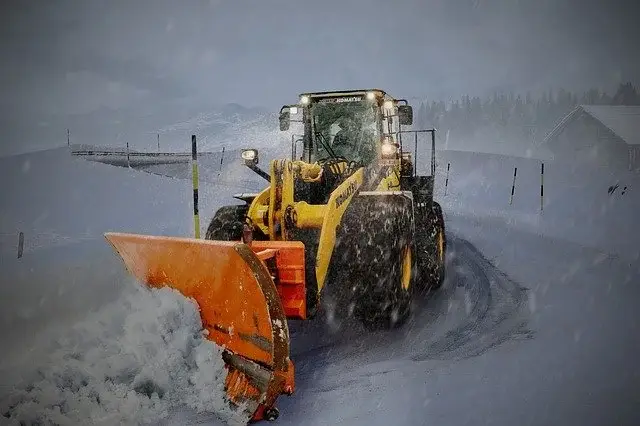
- Snow and ice should also be removed quickly, and other debris like piles of leaves could damage the surface.
Your New Driveway’s First Year: A Care Timeline
The First Few Days
- Stay off it completely for the first 24 hours, and keep cars off for about three days. In hot weather, give it longer.
- Keep heavy trucks, RVs and delivery vehicles off the new surface for the first couple of weeks.
The First Few Months
- Vary where you park. Parking in exactly the same spot every day can leave tire impressions while the asphalt is still curing.
- Don’t turn your steering wheel while stopped. Turning in place scuffs the soft surface; keep the car moving when you turn, and avoid sharp turns at speed.
- Protect against point loads. Put a piece of plywood under motorcycle kickstands, trailer jacks and lawn chair legs.
- Stay off the edges. The edges are the weakest part of a new driveway. Back-fill them with sifted topsoil or sod to support them.
From the First Year Onward
- Wait before sealcoating. New asphalt needs time to cure before it’s sealed; sealing too early traps oils and can do more harm than good. Plan the first sealcoat once the driveway has had at least six to twelve months to cure, then reseal every few years. Our posts on the benefits of sealcoating and the signs your driveway needs sealing explain when it’s time.
- Fill cracks as soon as they appear. Water getting into even small cracks weakens the base and leads to bigger damage. See why pavement cracks and how to prevent it.
- Clean gently. Sweep regularly and rinse with a garden hose. Avoid high-pressure washing on young asphalt, and clean oil or gas spills right away.
Doing your best to protect a newly paved driveway is worth it. Just a bit of prevention goes a long way in making sure that your asphalt driveway will last a very long time.
Related reading: 4 benefits of sealcoating · 7 signs your driveway needs seal coating · When is the best time to pave your driveway? Learn more about our asphalt driveway installation.