Resurfacing Your Sport Court: Best Materials for Burnaby Homes
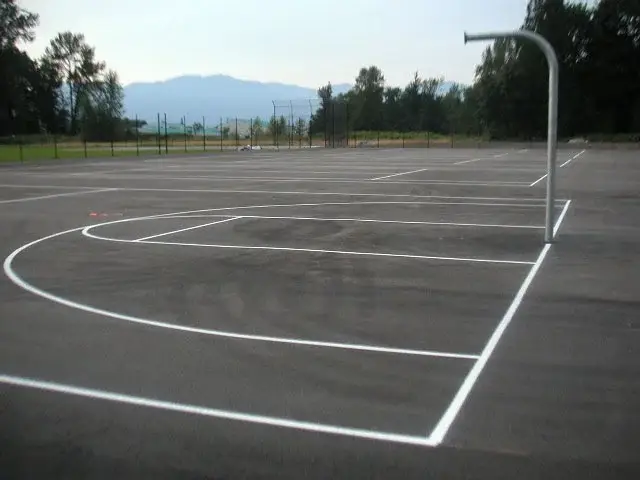
Why Resurfacing Your Sport Court Matters Signs Your Court Needs Resurfacing Sport courts endure regular wear from weather, foot traffic, and equipment. Watch for cracks, uneven surfaces, faded paint, or pool water. These are signs your court may need resurfacing to maintain safety and appearance. Timely Sports Courts Resurfacing and Paving ensures your court remains safe, attractive, and playable. Impact on Safety & Performance Uneven surfaces and worn materials can affect traction, ball bounce, and player stability. Sports Courts Resurfacing and Paving boosts playability and helps prevent injuries by restoring consistent surface conditions. Weather & UV Damage in Burnaby Burnaby’s wet, temperate climate can accelerate surface wear. Rain, freeze-thaw cycles, and UV rays deteriorate materials, making weather-resistant Sports Courts Resurfacing and Paving essential to maintain your court’s longevity. Overview of Popular Resurfacing Materials Acrylic – Ideal for Recreational Courts Acrylic coatings are UV-stable, colorful, and provide moderate cushioning. They’re great for tennis and basketball courts used recreationally. Acrylic is slip-resistant and retains vibrant colors. Asphalt – Cost-Effective & Durable Asphalt is economical and quick to install. It offers a slightly softer feel than concrete but may crack over time due to temperature fluctuations. Ideal for large or budget-conscious projects like school courts or properties with existing asphalt driveways needing functional sport overlays. Concrete – Stable & Long-Lasting Foundation Concrete courts are durable, low maintenance, and provide a stable surface for any sport. It pairs well with acrylic coatings or cushioning layers for added performance. Modular Tiles (Optional for Multi-use Courts) These interlocking plastic tiles are ideal for multi-use areas and can be customized for color and sport type. They offer drainage and shock absorption but are more expensive. Performance Comparison: Acrylic vs Asphalt vs Concrete Ball Bounce & Traction Cushioning & Shock Absorption Temperature Sensitivity (Summer Durability) Maintenance Requirements Cushioning Systems & Add-On Layers Underlay Pads for Basketball/Tennis Add rubber or foam underlay beneath acrylic coatings for impact absorption. Great for high-impact sports. Multi-layer Acrylic Coatings Layered systems enhance durability and performance. Topcoats can be customized for specific sports. Slip Resistance & Player Comfort Surface texturing and grit additives improve traction, reducing fall risk, and improving comfort. UV Resistance & Weather Protection in Burnaby Climate Importance of UV-Stable Coatings Burnaby summers bring intense sun. UV-stable acrylic prevents fading and surface breakdown. Water Drainage Considerations Proper court slope and surface materials help channel rainwater, avoiding puddles and surface damage. Freeze-Thaw Resistance Concrete with flexible coatings handles temperature swings well. Acrylic layers help mitigate surface cracks. Choosing the Right Paint & Line Markings Anti-Fade Court Paints Use UV-resistant paints to preserve vivid lines and colors. Look for acrylic formulas made for sports. Custom Colors for Basketball, Tennis, Pickleball Personalize your court with custom hues to match your home or club branding. Repainting Timeline and Tips Plan to repaint lines every 2-4 years, depending on usage. Clean and prep the surface to ensure adhesion. Cost Considerations by Material Type Initial Installation vs Long-Term Maintenance ROI Over 5–10 Years Concrete with acrylic coatings delivers the best long-term ROI. Asphalt may require earlier resurfacing. Budget-Friendly Options for Schools Asphalt with basic acrylic topping provides a solid play surface at an accessible price point. Burnaby-Specific Considerations Climate & Moisture Conditions Wet seasons demand water-resistant surfaces. Choose materials with good drainage and moisture tolerance. Local Building Codes or HOA Guidelines Always check with city regulations or homeowner associations for court resurfacing requirements. Ideal Seasons for Resurfacing Late spring through early fall offers the best weather for resurfacing projects in Burnaby. Final Recommendations: Best Choice for Your Needs Choosing the right resurfacing material means balancing performance, climate resilience, and cost. Whether you’re restoring a home basketball court or upgrading a community tennis space, the right materials and coatings make a big difference in safety and satisfaction. Ready to bring your sport court back to life?Let’s chat about your goals, space, and budget—reach out today and schedule a no-obligation site visit with Burnaby’s go-to experts at Bortolo Paving & Concrete. For Residential Backyards Acrylic over concrete gives a long-lasting, attractive court that stands up to home use. For Schools & Clubs Asphalt topped with acrylic offers a balance of cost and performance. For Multi-Purpose Use Courts Consider modular tiles or cushioned acrylic layers for sports versatility and user comfort. Call to Action: Get Expert Help with Resurfacing in Burnaby Free On-Site Assessment Our team offers complimentary assessments to determine the best resurfacing plan for your court. Custom Material Planning We help you choose materials that suit your usage, budget, and climate needs. Explore our full range of Sports Courts Resurfacing and Paving services. From new surfaces to overlays on existing asphalt driveways, trust Bortolo Paving & Concrete for expert advice and top-quality workmanship in Burnaby. Frequently Asked Questions (FAQ) Most courts require resurfacing every 4–7 years, depending on usage, weather exposure, and material type. Courts with acrylic coatings may need more frequent topcoat refreshments to maintain performance and appearance. Acrylic over concrete is highly recommended for Burnaby’s wet conditions. It’s UV-stable, slip-resistant, and effective in handling water runoff. For large community or school courts, asphalt with acrylic topping offers a cost-effective, weather-resilient option. Yes, but ensure they have drainage features and UV protection. Modular systems are durable but may require seasonal cleaning and inspections due to leaf litter and moisture buildup. Absolutely. Many resurfacing projects involve applying coatings or cushion systems directly over existing surfaces—if the base is structurally sound. Repairs may be needed prior to resurfacing. Acrylic systems are versatile and suitable for tennis, basketball, pickleball, and multi-sport courts. Custom color schemes and line markings make it easy to adapt for various activities. Yes. Resurfacing eliminates cracks, improves traction, and adds cushioning, all of which significantly reduce fall risk and enhance play comfort—especially for youth and seniors. Related reading: Sport court resurfacing guide · Hard landscaping ideas for BC backyards. Learn more about our sport court paving and resurfacing.
Top 5 Interlocking Paver Designs for Patios and Driveways
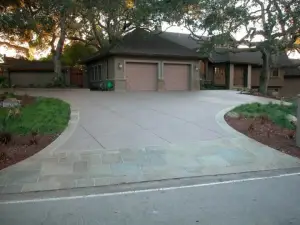
Interlocking pavers revolutionize outdoor design by combining visual charm with rugged functionality. Whether you’re enhancing curb appeal or creating a cozy backyard retreat, choosing the right paver design can transform your space while adding value to your property. As leading pavement contractors, we know how crucial it is to select the right layout and materials that align with your vision. Why Interlocking Pavers Are a Game-Changer in Hard Landscaping What Are Interlocking Pavers? Interlocking pavers are precast pieces of concrete, brick, or natural stone designed to fit together like puzzle pieces. Unlike poured concrete, they form a durable, flexible surface that adjusts to weather and weight shifts. Benefits of Using Interlocking Pavers Durability: Designed to withstand the freeze-thaw cycle, interlocking pavers last for decades without cracking. Aesthetic Flexibility: With a range of colors, shapes, and textures, you can match any home style from classic to contemporary. Ease of Repair: If a paver gets damaged, it can be replaced individually without disturbing the entire surface. Where They Work Best – Patios vs. Driveways Interlocking pavers are ideal for both patios and driveways, but design considerations differ. Driveways require stronger load-bearing capacity, while patios focus on aesthetics and functionality. If you’re planning to repave the driveway, interlocking pavers offer a beautiful and practical solution. Design #1: Herringbone Pattern – Classic Strength & Symmetry Ideal Use Cases (Driveways, Walkways) Herringbone’s V-shaped layout distributes weight evenly, making it perfect for driveways and high-traffic walkways. Color Palette Options Go classic with charcoal grey or opt for earth-tones like terracotta for warmth. Contrasting borders enhance visual depth. Pros & Cons Pros: High load resistance, timeless appeal Cons: Slightly more complex installation Complementary Materials Pairs well with natural stone borders or exposed aggregate driveway concrete edging. Design #2: Basket Weave – Traditional with a Modern Twist Pattern Layout Overview Alternating rectangular bricks laid horizontally and vertically form a woven look that suits both traditional and modern homes. Cost Effectiveness Uses standard-sized pavers, making it one of the most budget-friendly options. Maintenance Tips Sweep regularly and apply a sealant every 2-3 years to maintain color vibrancy. Aesthetic Pairings Completes vintage lighting and wrought-iron accents in garden settings. Design #3: Running Bond – Sleek and Contemporary Design Flow for Narrow Spaces The linear layout elongates small patios or paths, ideal for urban areas. Urban Look and Feel Its clean, brick-like arrangement suits minimalist landscapes and contemporary homes. Recommended Color Schemes Consider cool tones like slate or light grey. Two-tone blends add depth. Best Used For (Urban Patios, Driveway Borders) Perfect for narrow patios, side pathways, or as a contrasting edge for a broader driveway layout. Design #4: European Fan – Elegant Curves & Intricate Appeal Technical Installation Tips Requires skilled craftsmanship due to its curved arcs. A flexible edging system helps retain shape. Cost Per Square Foot On the higher end due to labor-intensive layout—expect $18–$25/sqft installed. Weather Durability Curved joints resist cracking from ground movement, making it ideal for regions with heavy rainfall. Permeability Options Use permeable pavers for enhanced water drainage in curved sections. Design #5: Modular Patterns – Mixing Sizes & Styles Custom Layout Possibilities Combines various shapes and sizes to create a dynamic, non-repetitive pattern. Modern or Rustic Finishes Choose clean lines for a modern look or tumbled finishes for a rustic charm. Creating Visual Depth Great for large driveways or patios where uniformity would feel overwhelming. Upsell Opportunities for Luxury Landscapes Offers high-end customization perfect for upscale homes and landscape design. Key Factors When Choosing a Paver Design Matching Home Exterior & Landscape Style Coordinate colors and patterns with your siding, roof, and garden design to ensure harmony. Load-Bearing Requirements for Driveways Ensure the paver thickness and base preparation match the expected vehicle load. Water Drainage and Permeable Paver Options Use permeable systems in low-lying areas to prevent puddling and erosion. Budget and Cost per Square Foot Basic patterns start around $10/sqft, while complex designs like European Fan can reach $25/sqft. Expert Tips for Installation & Maintenance Base Preparation Essentials A well-compacted gravel base with sand bedding ensures longevity and reduces shifting. Joint Sand & Sealing Recommendations Use polymeric sand for joint stability. Seal every few years to protect against stains and fading. Long-Term Maintenance Guide Sweep and rinse regularly. Remove weeds promptly to prevent root damage. When to Repair or Replace Cracked or sunken pavers should be replaced quickly to prevent spreading damage. Final Thoughts: Balancing Style and Functionality Choosing the right interlocking paver pattern is a key step in transforming your outdoor space. Whether you’re prioritizing curb appeal, structural durability, or eco-conscious solutions, there’s a paver design that fits your needs. If you’re ready to upgrade your patio or driveway with a stunning interlocking paver installation, contact us today schedule a design consultation with one of Vancouver’s top-rated paving professionals. Which Pattern Matches Your Needs Best? Consider your home’s architecture, lifestyle needs, and budget. The right pattern enhances both beauty and performance. Professional Installation vs. DIY While DIY is possible for simple layouts, complex designs like European Fan demand expert precision—contact our team for professional installation by an experienced Vancouver paving company. Sustainable & Eco-Friendly Paving Options opt for permeable pavers or recycled materials to reduce environmental impact while boosting curb appeal. Frequently Asked Questions (FAQ) Costs typically range from $10–$25 per square foot installed, depending on the complexity of the pattern, type of paver, and labor involved. Herringbone and running bond patterns tend to be more affordable, while European Fan is on the higher end. Yes. Patterns like Herringbone offer excellent load distribution and are ideal for driveways. Just ensure the correct base depth and paver thickness are used to support vehicle weight. Regular maintenance includes sweeping, sealing every 2–3 years, and replenishing joint sand. Promptly removing weeds and stains extends the paver’s lifespan. DIY is possible for simple patterns like Running Bond or Basket Weave. However, intricate designs like European Fan or Modular Patterns require professional skills for layout and cutting precision. Permeable pavers allow water to drain through