
7 Reasons Why Your Pavement Is Cracked (and How to Prevent It)
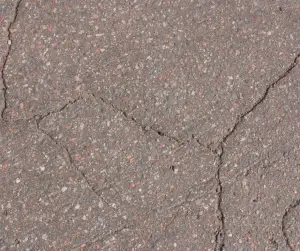
If left unattended, pavement cracks reduce aesthetic appeal and potentially endanger your safety, increasing the risk of causing more serious harm. Understanding the causes of pavement cracking is crucial for putting the right repair plans into place and averting further structural concerns. Common Reasons for Pavement Cracks In this article, we examine seven common causes of pavement cracking and what each type of crack tells you. You can take proactive measures to maintain the integrity and lifespan of your pavement by determining these factors. The following are the seven most common reasons that cause cracks in your pavement that require repair and maintenance. Read further for a better understanding, so you can avoid these situations to ensure your asphalt pavement lasts longer. 1. Aging & Weathering Pavement ages and weathers over time due to continuous exposure to the elements. The pavement structure gradually degrades due to factors like sunlight, rain, freeze-thaw cycles, and temperature changes. The asphalt binder loses flexibility as it ages and becomes brittle, which increases its susceptibility to breaking. Cracks may develop due to the interaction between the environment and the pavement’s aging process. 2. Insufficient Thickness or Structural Integrity Pavement cracking can occur for various reasons, including insufficient thickness or poor structural design. The pavement may become stressed and break if it is not built to bear the actual load or traffic volume in comparison to the anticipated volume/load. Surface cracks and deeper structural fissures may develop from the pavement failing under the weight of moving cars due to insufficient thickness. It is crucial to ensure suitable pavement design and thickness, in accordance with the expected usage and traffic volume. 3. Heavy Traffic & Loads Pavements are more prone to cracking when subjected to intense traffic or repeated heavy loads. Repeated pressure from moving vehicles, particularly large trucks and equipment, can be too much for the pavement, leading to the development of fissures. This is especially clear in locations such as manufacturing plants, distribution hubs, and congested highways. Regular maintenance and occasional strengthening or resurfacing may be required to withstand the tremendous traffic and stresses. 4. Poor Installation or Construction The durability and functionality of the pavement can be greatly impacted by improper installation or building techniques. Premature cracking can occur if the base preparation, compaction, or paving procedures are not properly applied. Inadequate compaction during construction may leave the pavement with insufficient support, leaving it susceptible to breaking under regular traffic pressure. To prevent these concerns, opt to work with paving contractors who have a good reputation and adhere to industry best practices. 5. Lack of Maintenance and Sealcoating Pavement cracking can be avoided with routine maintenance and seal coating. The deterioration process may speed up if basic maintenance operations like crack sealing, sealcoating, and small repairs are neglected. Unsealed cracks allow water to enter, undermining the pavement’s structural integrity and causing more severe cracking over time. You may lower the likelihood of your pavement cracking by developing a proactive maintenance plan that includes professional sealcoating. 6. Moisture and Freeze-Thaw Cycles Water is asphalt’s biggest enemy in the Lower Mainland. Rain that seeps through small cracks softens the base underneath, and on the colder nights when that water freezes, it expands and pushes the cracks wider. Cold also makes asphalt stiffer and more brittle, so a crack that appears in fall can double in size by spring. Sealing small cracks before the wet season is the cheapest way to stop this cycle. 7. Ground Movement and Weak Edges When the soil under a driveway settles or shifts, the asphalt above it follows and cracks. Edges are especially vulnerable: without a proper curb, compacted shoulder or edging, the sides of the pavement have nothing to brace against and start to crumble and break away. Good base preparation and edge support during installation prevent most of these problems. What Different Crack Patterns Tell You The shape of a crack usually points to its cause, which tells you whether a simple fill will do or a bigger repair is needed. If you’re seeing alligator cracking, raveling or cracks wider than about a quarter inch, it’s time for a professional look. Our asphalt driveway repair and resurfacing service covers everything from crack filling to full resurfacing, and our guide on when to repair your driveway and when to replace it can help you weigh the options. Tips to Avoid Pavement Cracks Preventive know-how to stop pavement cracking before structural integrity begins to suffer is as equally important as understanding the causes of pavement cracking. You may reduce the chance of fractures in your pavement and increase its lifespan by adhering to these best practices: Proper Installation Working with reliable and knowledgeable paving professionals can help ensure your pavement is properly done, with long-term sustainability in mind. Proper base preparation, compaction, and paving processes are vital in order to create a strong, long-lasting pavement surface. Investing in quality pavement installation services can significantly lower the risk of future breakdown and repair expenses. Regular Maintenance Implement a preventative maintenance program to address minor concerns before they become significant difficulties. Regularly check your pavement for symptoms of deterioration, such as cracks, and take immediate action to fix them. To prevent the pavement from further deteriorating, perform routine maintenance chores such as crack sealing, seal coating, and pothole repairs as soon as you notice a structural integrity issue. Adequate Drainage Proper drainage design is crucial to avoid water collecting on the pavement, which can damage the asphalt and cause cracking. Make sure that your pavement is properly sloped and has gutters and drainage channels in place to direct water away from the surface. Traffic Control Pavement cracking can be caused by high traffic volumes and heavy loads. Utilize traffic management techniques to distribute loads evenly across the surface. Consider adopting load-bearing techniques like reinforced pavement portions or overlays in locations with high traffic or large loads. Avoid Chemical Spills Applying the right spill containment techniques will help avoid chemical spills and oil